
Are Oil-Free Air Compressors Better for Industrial Applications?
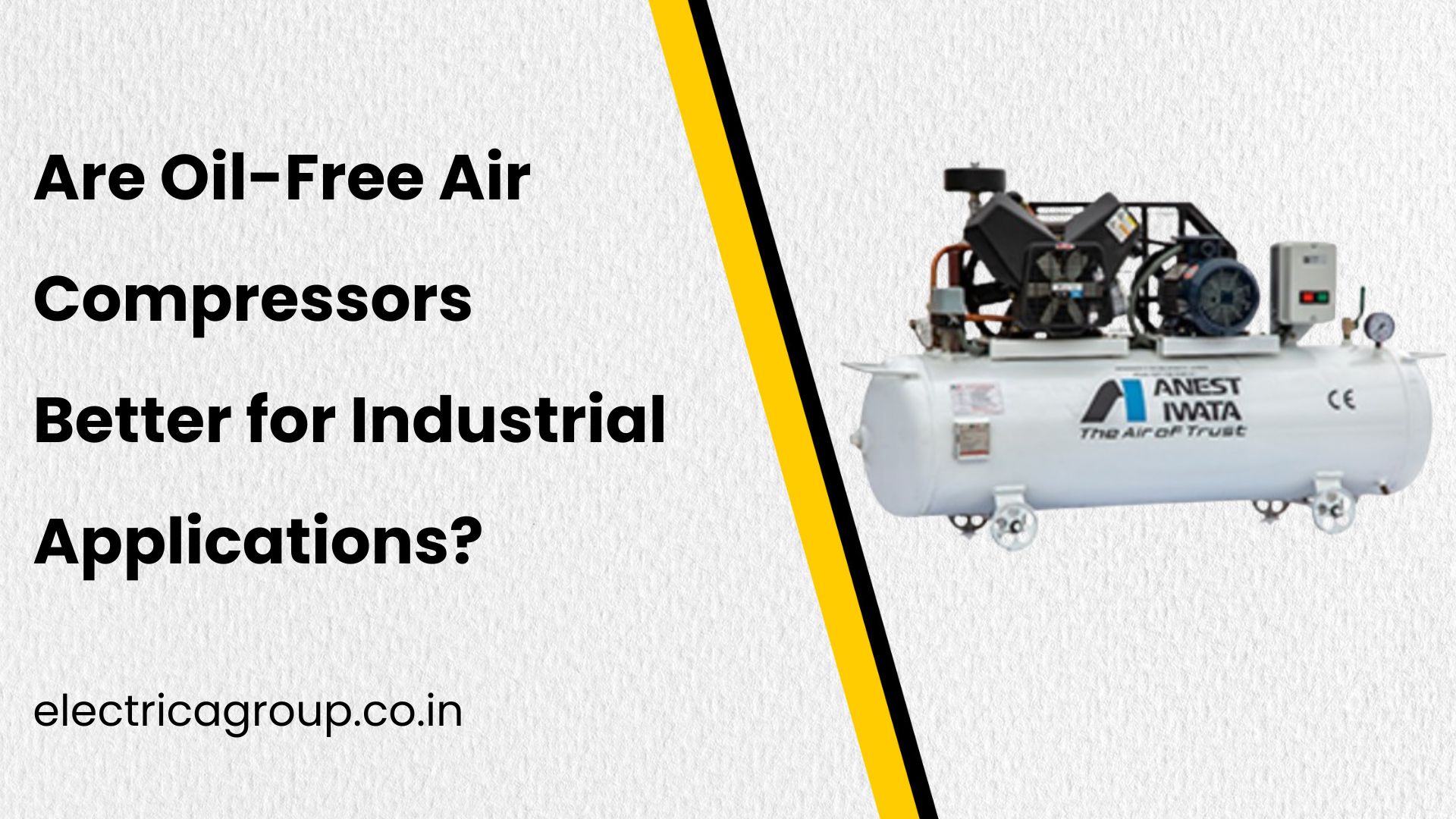
Yes, for most industries where air purity, product quality, and regulatory compliance matter, oil-free air compressors are the better choice. They deliver contaminant-free compressed air, lower the risk of product spoilage, and reduce long-term maintenance and filtration costs. For plants sourcing from an oil free air compressor supplier in Uttar Pradesh, the decision often comes down to how clean the air must be and how much downtime the operation can tolerate.
Introduction
Compressed air is often called the “fourth utility” in industrial plants, alongside electricity, water, and gas. It powers pneumatic tools, packaging lines, spray systems, and process equipment. But the quality of that air is frequently overlooked until contamination causes a rejected batch or an audit failure.
Conventional lubricated compressors use oil to cool and seal the compression chamber. Even with filters, trace oil aerosols and vapors can reach the air stream. Oil-free compressors remove this risk at the source. This article explains how they work, where they fit, and what industrial buyers should evaluate before investing.
What Is an Oil-Free Air Compressor?
An oil-free air compressor compresses air without oil in the compression chamber. Instead of oil, it uses specially coated rotors, water injection, or precision-engineered clearances to seal and cool the compression process. The result is compressed air that meets ISO 8573-1 Class 0 standards, the strictest classification for oil content.
Common types include oil-free screw compressors, oil-free scroll compressors, and oil-free reciprocating compressors. Each suits different capacity ranges and duty cycles.
Key Features of Oil-Free Air Compressors
- Contaminant-free output: No oil carryover into the air stream or downstream equipment.
- Class 0 certification potential: Suitable for sensitive, regulated environments.
- Durable rotor coatings: Advanced coatings reduce wear and extend service life.
- Efficient cooling systems: Air-cooled or water-cooled designs for varied plant conditions.
- Variable speed drive (VSD) options: Match air output to demand and cut energy waste.
- Low noise and vibration: Enclosed designs improve the working environment.
- Smart monitoring: Controllers track pressure, temperature, and service intervals.
Benefits of Choosing Oil-Free Technology
Superior Air Purity
The most important benefit is clean air. For food, pharmaceutical, and electronics manufacturers, even a trace of oil can compromise product safety and trigger costly recalls.
Lower Filtration and Disposal Costs
Because oil is never introduced, plants need fewer coalescing filters and avoid oil-contaminated condensate. This simplifies waste handling and helps meet environmental norms.
Reduced Maintenance Complexity
With no oil changes, oil separators, or oil-related filter replacements, routine servicing is simpler. Fewer consumables also mean fewer surprises in the maintenance budget.
Better Total Cost of Ownership
Oil-free compressors can carry a higher purchase price. However, savings on filtration, downtime, rejected products, and waste disposal often offset the difference over the machine’s life.
Regulatory and Audit Readiness
Industries governed by GMP, HACCP, and ISO standards find it easier to demonstrate compliance when oil contamination is eliminated by design.
Applications and Industries Served
Uttar Pradesh has a diverse industrial base, from the NCR belt to Kanpur, Lucknow, Agra, and Varanasi. Oil-free compressors serve many of these sectors:
- Food and beverage: Packaging, bottling, conveying, and fermentation processes.
- Pharmaceuticals and healthcare: Tablet coating, cleanroom air, and sterile manufacturing.
- Textiles: Air-jet looms and spinning, where oil stains ruin fabric.
- Electronics and semiconductors: Precision assembly and PCB manufacturing.
- Automotive and painting: Spray booths, where oil causes paint defects.
- Chemicals and plastics: PET bottle blowing and process instrumentation.
- Dairy and agro-processing: Milk handling and packaging lines.
Why Oil-Free Air Quality Is Important
Contaminated compressed air does not just affect products. It damages pneumatic instruments, clogs valves, corrodes pipelines, and shortens equipment life. In regulated industries, it can lead to failed inspections, product recalls, and reputational harm.
As quality standards tighten and export-oriented manufacturers face stricter buyer audits, air purity is no longer optional. Investing in oil-free technology protects both the product and the brand.
Factors to Consider Before Choosing an Oil-Free Air Compressor
1. Required Air Quality Class
Check whether your process needs ISO 8573-1 Class 0 air or whether a lower class with filtration is acceptable. Not every application needs full oil-free technology.
2. Capacity and Pressure Requirements
Calculate your free air delivery (FAD) in CFM or m³/min and the working pressure in bar. Oversizing wastes energy, while undersizing causes pressure drops.
3. Duty Cycle and Demand Pattern
Plants with fluctuating demand benefit from VSD models, while steady loads may suit fixed-speed machines.
4. Energy Efficiency
Energy typically accounts for the majority of a compressor’s lifetime cost. Compare specific power (kW per m³/min) rather than purchase price alone.
5. Cooling Method and Site Conditions
Uttar Pradesh summers are hot and dusty. Ambient temperature, ventilation, and water availability influence whether air-cooled or water-cooled models work best.
6. After-Sales Support and Spare Parts
Local service availability, trained technicians, and genuine spare parts directly affect uptime. Prioritize an oil free air compressor supplier in Uttar Pradesh that offers responsive on-site support.
7. Certifications and Documentation
Ask for test certificates, ISO 8573-1 compliance data, and performance guarantees to support your audits.
Latest Industry Trends
- Rising demand for Class 0 air: Food, pharma, and electronics growth is pushing adoption.
- Energy-efficient VSD technology: Rising power costs are driving buyers toward intelligent, demand-matched systems.
- IoT and predictive maintenance: Connected controllers now flag issues before failures occur.
- Heat recovery systems: Plants increasingly reuse compressor heat for water heating or process needs.
- Sustainability goals: Companies are aligning compressed air systems with carbon-reduction targets.
- Growth in domestic manufacturing: Government-backed industrial expansion is increasing demand for reliable local compressor suppliers.
Why Industry Professionals Trust Electrica
Electrica has earned a reputation among industrial buyers for combining technical expertise with dependable service. The team understands that a compressor is a long-term operational investment, not just equipment. Electrica helps customers select the right capacity, air quality class, and configuration for their process. It also supports them with responsive after-sales assistance and quality-focused solutions. For plant managers and procurement teams in Uttar Pradesh, this practical, customer-first approach makes Electrica a dependable partner for compressed air needs.
Conclusion
Oil-free air compressors are not necessary for every plant, but for industries where purity, compliance, and product integrity are critical, they are clearly the better option. The higher initial cost is typically balanced by lower contamination risk, simpler maintenance, and stronger audit readiness.
The right decision depends on your air quality class, capacity, duty cycle, energy profile, and the strength of your supplier’s support network. Evaluating these factors carefully will help you choose a system that performs reliably for years.
Frequently Asked Questions (FAQs)
1. What is the main difference between oil-free and oil-lubricated compressors?
Oil-free compressors compress air without oil in the compression chamber, so the air contains no oil from the machine. Oil-lubricated compressors use oil for sealing and cooling, which can introduce oil aerosols into the air stream.
2. Are oil-free air compressors worth the higher price?
For industries like food, pharma, and electronics, yes. Savings on filtration, product rejection, and maintenance often offset the higher upfront cost over time.
3. Which industries need oil-free air compressors the most?
Food and beverage, pharmaceuticals, textiles, electronics, healthcare, and paint-finishing industries benefit most because oil contamination directly affects quality and safety.
4. What does ISO 8573-1 Class 0 mean?
It is the highest purity classification for compressed air, set by the ISO 8573-1 standard. It indicates oil content stricter than the standard’s most demanding tiers, as specified by the user and verified through testing.
5. How do I choose a reliable oil-free air compressor supplier in Uttar Pradesh?
Look for proven industry experience, certified products, local service support, genuine spare parts availability, and transparent technical guidance on sizing and efficiency.
Looking for an oil free air compressor supplier in Uttar Pradesh?
Choosing the right equipment starts with the right partner. Electrica, a trusted oil free air compressor supplier in Uttar Pradesh, can help you assess your air quality needs and recommend a compressor that fits your plant, budget, and long-term goals.
Contact Electrica today for a consultation or quotation and take the first step toward cleaner, more efficient compressed air.
Read More: Are Oil-Free Air Compressors Better for Industrial Applications?