
What is Optical Sorting? A Simple Guide by Electrica.
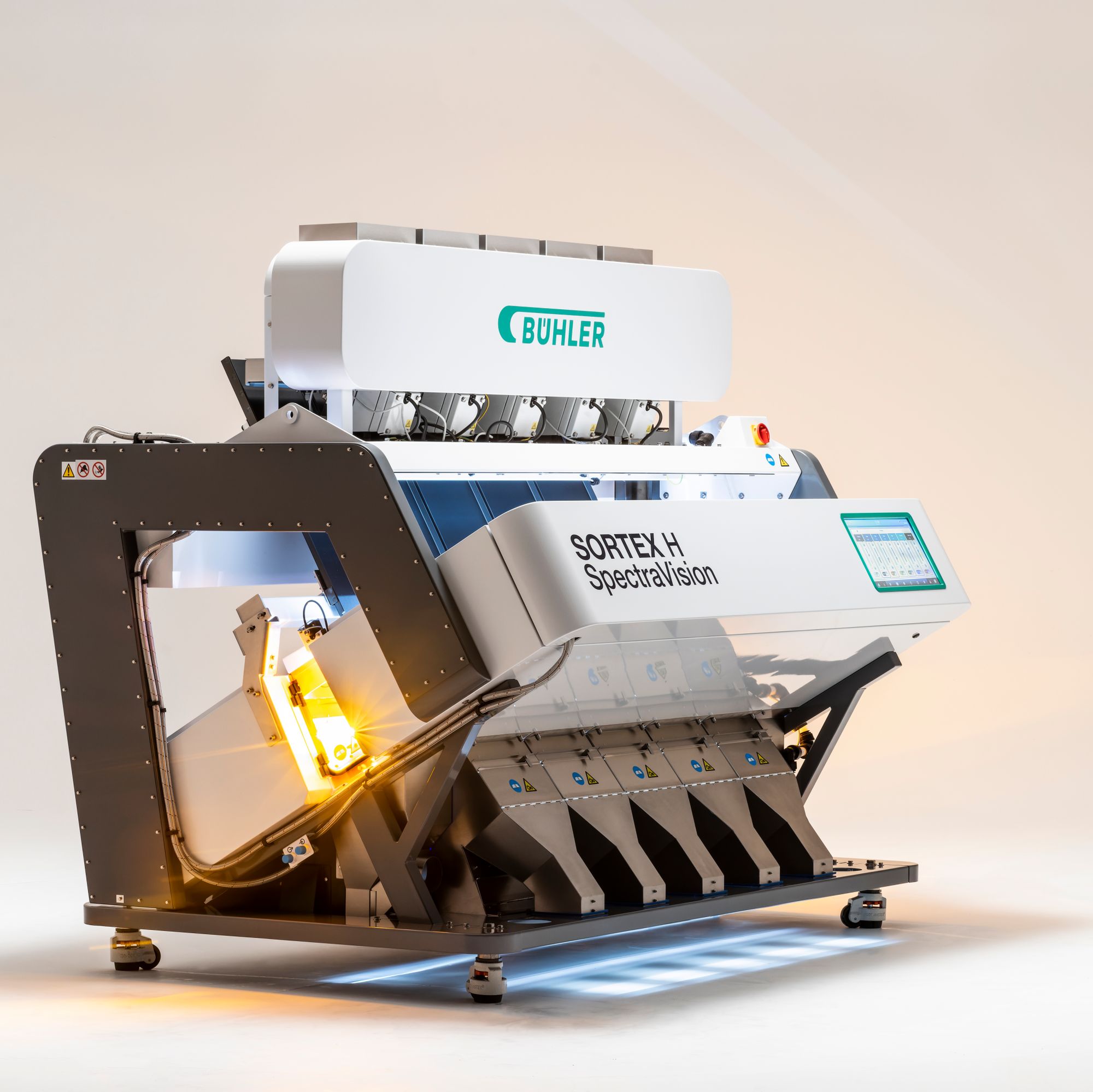
Optical Sorting Explained in Simple Terms
Imagine a system that uses light, high-resolution cameras, sensors, and AI to examine every food item moving down a production line – within milliseconds. That’s what optical sorting does.
Whether it’s removing discolored grains, plastic pieces, stones, or even toxic molds, optical sorters are designed to spot and eliminate anything that doesn’t belong. They help ensure that only the best, safest food makes it to the consumer’s table.
Why Optical Sorting is a Must-Have
Here’s what makes optical sorting a smart investment:
- Safer food: Detects and removes harmful or unwanted materials like glass, plastic, and metal.
- Better quality: Identifies imperfections, discoloration, and defects that may affect appearance or taste.
- Reduced waste: Improves precision, helping you save more good product while discarding only what’s necessary.
- Increased productivity: Works faster and more accurately than manual sorting – around the clock.
- Brand trust: Minimizes the risk of recalls, boosting customer confidence in your product.
Replacing Manual Work with Smart Automation
Manual sorting is time-consuming, inconsistent, and prone to human error. Optical sorting replaces that with automated, 24/7 quality control. With one system, you get consistency, speed, and a new level of accuracy that manual labor simply can’t match.
Why Choose Electrica?
At Electrica, we partner with industry leaders to bring the best of technology to your food processing lines. Our solutions are designed to optimize performance, reduce contamination risks, and help you deliver a product that stands out in both quality and safety.
Our team can guide you in choosing the right optical sorting system tailored to your processing needs – whether you’re in grains, nuts, pulses, fruits, or packaged food