
Benefits of Screw Air Compressors in Chemical and Pharmaceutical Plants
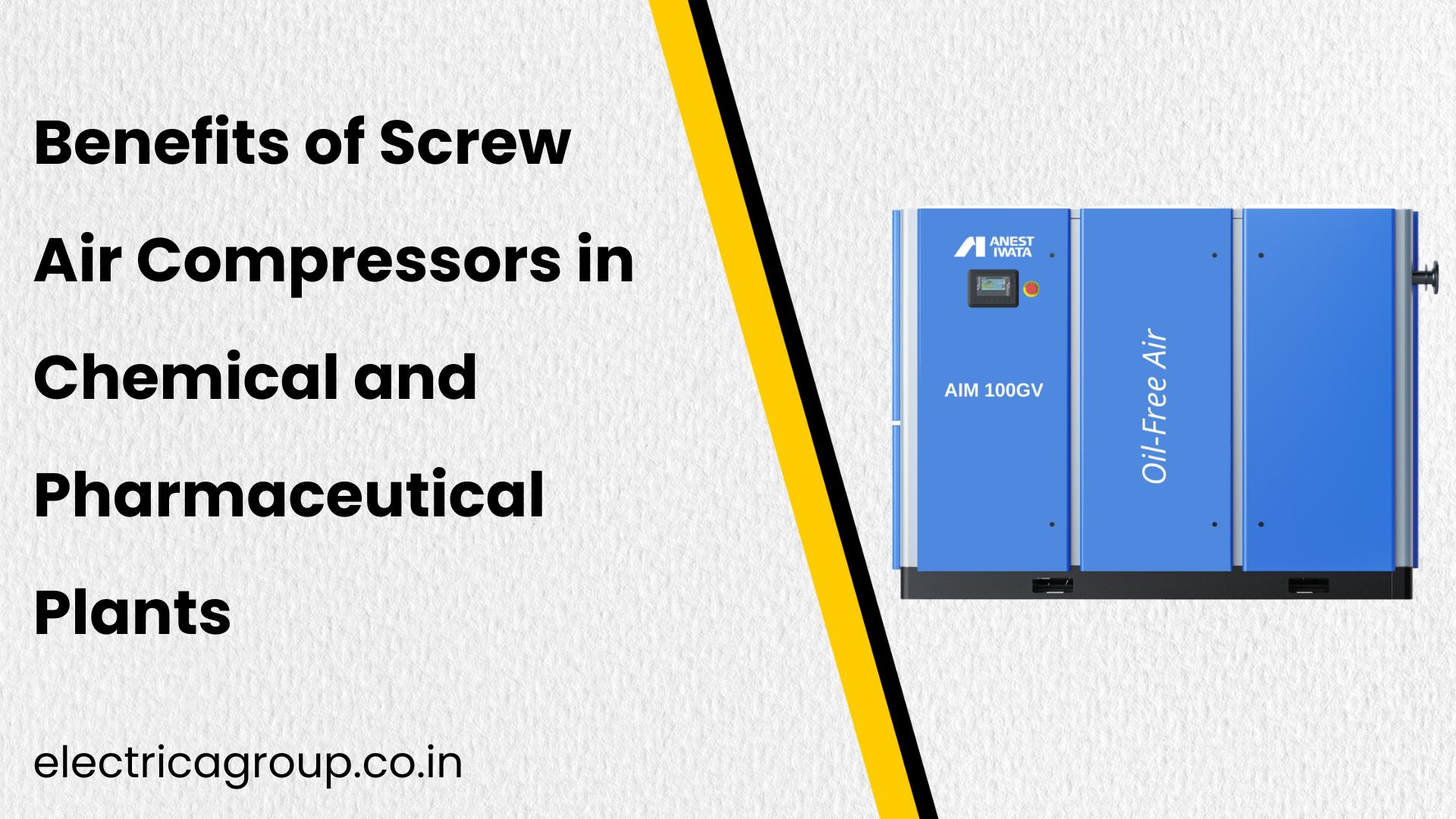
Screw air compressors provide a continuous, reliable supply of compressed air for chemical and pharmaceutical plants, supporting production equipment, pneumatic controls, material handling, packaging, and other industrial operations. Their ability to deliver consistent airflow, operate efficiently for extended periods, and handle demanding industrial requirements makes them a practical choice for facilities where production reliability and air quality are essential.
Chemical and pharmaceutical manufacturing processes often require uninterrupted operations, controlled environments, and dependable equipment. Selecting the right compressed air system can help manufacturers improve productivity, reduce operating costs, and maintain process consistency. Understanding the benefits of screw air compressors helps plant managers make informed equipment decisions.
Why Do Chemical and Pharmaceutical Plants Need Screw Air Compressors?
Compressed air is an important utility in both chemical and pharmaceutical manufacturing. It powers pneumatic machinery, operates automated valves, supports instrumentation, and assists various production activities.
Unlike applications with occasional compressed air requirements, these industries often need a consistent supply throughout multiple production shifts. Screw air compressors are designed to support such requirements through continuous-duty operation.
Some common applications include:
- Operating pneumatic instruments and control valves.
- Supporting automated production and filling lines.
- Powering packaging and material-handling equipment.
- Operating pneumatic pumps and actuators.
- Supporting cleaning and maintenance operations with appropriately treated air.
- Supplying process air where the required quality specifications are met.
The compressor must be selected according to the application's pressure, airflow, air quality, and operating conditions.
7 Major Benefits of Screw Air Compressors in Industrial Plants
1. Continuous and Reliable Air Supply
One of the biggest advantages of rotary screw compressors is their ability to deliver a steady supply of compressed air during extended operating hours.
Chemical and pharmaceutical plants frequently operate with continuous production schedules. Unexpected interruptions in compressed air can affect automated machinery, production cycles, and overall plant efficiency.
Screw compressors are suitable for applications requiring consistent airflow, helping manufacturers maintain stable production operations.
2. Energy Efficiency and Lower Operating Costs
Energy consumption is a major consideration when selecting industrial compressors. Since compressors can operate for thousands of hours annually, even small improvements in efficiency can result in meaningful long-term savings.
Modern screw air compressors can incorporate variable speed drive (VSD) technology, which adjusts motor speed according to changing air demand.
This helps reduce unnecessary energy consumption during periods of lower demand. Proper compressor sizing, leak management, pressure optimisation, and regular maintenance further contribute to efficient operation.
3. Consistent Performance in Demanding Environments
Chemical plants may operate in environments involving elevated temperatures, dust, humidity, and demanding production schedules.
Industrial screw compressors are designed for heavy-duty applications and can provide dependable performance when correctly specified and installed.
However, operating conditions must be evaluated carefully. Ambient temperature, ventilation, compressor room conditions, and cooling requirements all influence equipment performance.
4. Reduced Noise and Vibration
Noise management is important in manufacturing facilities, particularly where multiple machines operate simultaneously.
Compared with many conventional reciprocating compressor configurations, rotary screw compressors generally offer smoother operation and lower vibration.
This can improve the working environment and reduce the need for additional noise-control measures, depending on the equipment design and installation.
5. Suitable for Automated Manufacturing Processes
Pharmaceutical and chemical production facilities increasingly depend on automated equipment to improve accuracy and process consistency.
Compressed air supports pneumatic actuators, automated valves, control instruments, and packaging machinery.
Screw compressors can supply the continuous airflow required by these systems. For sensitive pharmaceutical applications, however, the compressed air must also meet the relevant purity, moisture, and contamination-control requirements.
6. Lower Maintenance Requirements
Screw compressors generally have fewer reciprocating mechanical movements than piston compressors, which can help reduce certain wear-related maintenance requirements.
Nevertheless, routine servicing remains essential.
Important maintenance activities include:
- Replacing air and oil filters as recommended.
- Inspecting oil separators and lubrication systems.
- Checking belts, couplings, and motor connections.
- Monitoring operating temperature and pressure.
- Draining condensate from the system.
- Inspecting air leaks and pipeline connections.
Following the manufacturer's maintenance schedule helps maintain performance and equipment reliability.
7. Flexible Installation and Capacity Options
Different chemical and pharmaceutical facilities have different compressed air requirements.
A small pharmaceutical packaging unit may require a different compressor capacity from a large chemical processing plant.
Screw air compressors are available in different configurations and capacities, allowing businesses to select equipment according to their actual airflow requirements, operating pressure, and available installation space.
How to Maintain Compressed Air Quality in Pharmaceutical Plants
Air quality is particularly important in pharmaceutical manufacturing because compressed air may come into contact with products, packaging materials, equipment, or controlled production environments.
An ordinary industrial compressor alone cannot guarantee pharmaceutical-grade compressed air.
A properly designed compressed air treatment system may include:
1. Air Dryers: Refrigerated or desiccant dryers help control moisture according to the required dew point.
2. Air Filtration: Appropriate particulate, coalescing, and activated carbon filters help remove contaminants, oil aerosols, and odours where required.
3. Oil-Free Technology: Oil-free compressors may be preferred for applications with stringent oil contamination limits.
4. Air Quality Monitoring: Regular testing helps verify that compressed air meets the required quality specifications.
Manufacturers should assess applicable standards, including ISO 8573-1, and establish suitable monitoring and validation procedures based on the intended application.
How to Choose the Right Screw Air Compressor for Your Plant
Choosing an appropriate compressor requires more than comparing motor power or purchase prices. Industrial buyers should evaluate the following factors:
|
|
|
|
|
|
|
|
|
|
|
|
|
|
|
|
|
|
|
|
|
|
|
|
Working with an experienced supplier can help businesses avoid undersized or oversized compressor installations.
Why Choose Electrica for Industrial Air Compressor Requirements?
Electrica understands the importance of dependable compressed air systems in industrial operations. Its focus on industrial equipment solutions makes it a relevant option for businesses evaluating compressor requirements across manufacturing applications.
For chemical and pharmaceutical facilities, selecting suitable equipment involves understanding production demand, operating pressure, air quality requirements, and long-term maintenance needs. Electrica can be considered when evaluating industrial air compressor solutions, particularly for businesses looking for equipment guidance and dependable supply support.
A well-planned compressor installation can help manufacturers improve operational reliability while managing energy consumption and maintenance requirements.
Frequently Asked Questions (FAQs)
1. Why are screw air compressors preferred in chemical plants?
Screw air compressors are preferred because they provide continuous compressed air, support heavy-duty applications, and can operate for extended periods. They are suitable for pneumatic equipment, automated controls, and various industrial processes.
2. Are screw air compressors suitable for pharmaceutical manufacturing?
Yes. Screw air compressors can support pharmaceutical manufacturing operations. However, applications requiring high-purity compressed air may need oil-free compressor technology, specialised filtration, air drying, and regular quality testing.
3. What is the difference between oil-free and oil-injected screw compressors?
Oil-injected compressors use oil for lubrication, sealing, and cooling inside the compression chamber. Oil-free compressors are designed to prevent oil from entering the compression chamber. The appropriate option depends on the required compressed air purity and application.
4. How often should an industrial screw air compressor be serviced?
Service frequency depends on the compressor model, operating hours, environmental conditions, and manufacturer's recommendations. Regular inspection of filters, lubricants, separators, cooling systems, and condensate drains is essential.
5. How do I select a screw air compressor supplier in UP?
Look for a supplier that understands industrial airflow requirements, offers suitable compressor options, provides technical guidance, and has access to maintenance support and spare parts. Evaluate the supplier's ability to recommend equipment based on your plant's actual operating conditions.
Conclusion
Screw air compressors play an important role in maintaining reliable compressed air supplies across chemical and pharmaceutical manufacturing facilities. Their continuous-duty capabilities, energy-saving options, operational stability, and compatibility with automated equipment make them suitable for a wide range of industrial applications.
However, selecting the right compressor requires careful consideration of airflow, pressure, air purity, energy consumption, and maintenance requirements. Pharmaceutical applications also demand appropriate air treatment and quality verification.
If your business is evaluating a screw air compressor supplier in UP, connect with Electrica to discuss your industrial compressed air requirements. Choose a compressor solution based on your operational needs, production capacity, and long-term efficiency goals.
Read More: Benefits of Screw Air Compressors in Chemical and Pharmaceutical Plants